Pattern 14 Enfield Serial Numbers

Mar 29, 2012 I said HIS P.' An Eddystone with a serial number in the 300,000 series, was not made before March 1917. By 24 February 1917 280,760 Pattern '14 rifles had been accepted by British inspectors at Eddystone and by 3 March 1917 the number was 301,810. Ergo, a serial number in the 300,000 series was not made before March.
Some of you collectors may remember the halcyon days of collecting from the late 80’s through 2000. Many military firearms that had previously been scarce in the US were imported. The best examples were snatched up quickly and disappeared into private collections. I purchased this Winchester manufactured Pattern 14 Mk.
I* Enfield in 1985. It is an early import and marked discretely on top of the barrel, but under the rear handguard so is not visible unless disassembled. This is not one of the later well worn Drill Purpose or EY (Emergency Use Only) imports. According to Enfield expert, the late Charles R. Stratton and his book British Enfield rifles, Volume 4, the Winchesters were made in much smaller numbers than the Remington and Eddystone rifles and command a premium among collectors. All serial numbers are matching including the barrel, bolt and rear sight. The original serial number on the bolt is lined out and it is re-numbered to match the receiver.
This was done when the rifles were updated to the Mk. I* specifications in 1916. All metal parts are Winchester except the extractor, trigger guard/floorplate assembly and follower which are” E” (Eddystone) stamped. As war clouds loomed in 1939, the Pattern 14 rifles were removed from storage and inspected and/or rebuilt as necessary under the Weedon Repair Standards. The stock is an Eddystone “fat stock” and was most likely used as a replacement for the original Winchester stock as no regard was given to matching manufacturers parts during that period when the P-14’s would be re-issued as substitute standards to the No.1 Mk.III*’s and the new No.4 Mk.
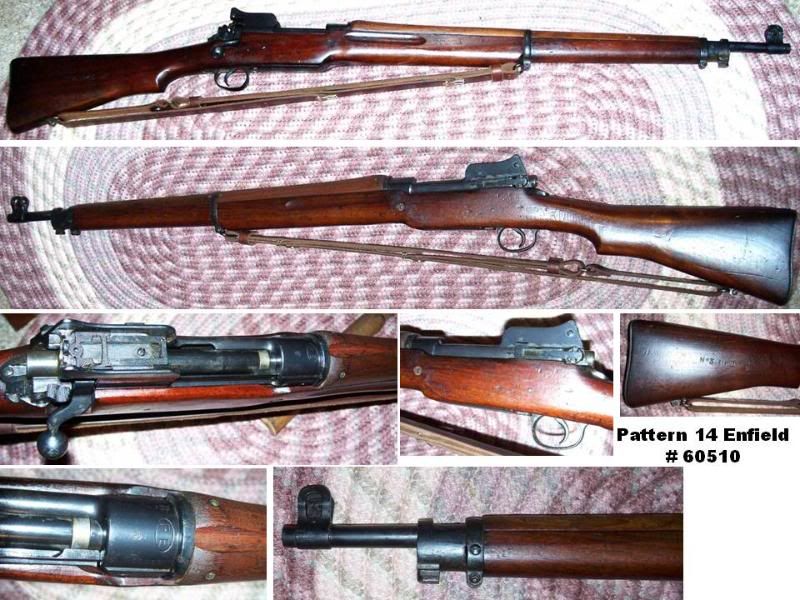
The rifle still retains the front and rear volley sights which were normally removed during the rebuild process. The bore is strong and shiny. I have checked the headspace of this rifle the proper way, with the cocking piece, striker & spring removed.
It is illegal for you to distribute copyrighted files without permission. How does she know that he loves her. The media files you download with aiohows.com must be for time shifting, personal, private, non commercial use only and remove the files after listening. Aiohows.com is Media search engine and does not host any files, No media files are indexed hosted cached or stored on our server, They are located on soundcloud and Youtube, We only help you to search the link source to the other server. If one of this file is your intelectual property (copyright infringement) or child pornography / immature sounds, please or email to info[at]aiohows.com to us. Aiohows.com is not responsible for third party website content.
I used Forster SAAMI specification gauges. The bolt closed on a.067” No Go gauge, but did not close on a.070” Field gauge. For reference, British military headspace specifications are more generous than SAAMI, their No Go gauge is.070” and they do not recognize a “Field” gauge but reject a rifle that closes at.074”. The stock is very good with no chips or cracks and bears the usual bruises and bumps of a 95 year old rifle.
The rear handguard has a 2” long crack near the action which I am not sure if goes all the way though. It would be an easy fix by wicking some thin superglue into the crack. I will leave that to the new owner. The bluing is very good all over as can be seen in the photos. But wait, as they say on the infomercials, there’s more! Included in the auction are the following accessory items: an original, Second variation Pattern 1914 Infantry Equipment leather sling, marked T. French & Son Ltd, London 1915, a British marked, Mk.